Can Singapore Cars Pump RON95 in Malaysia?
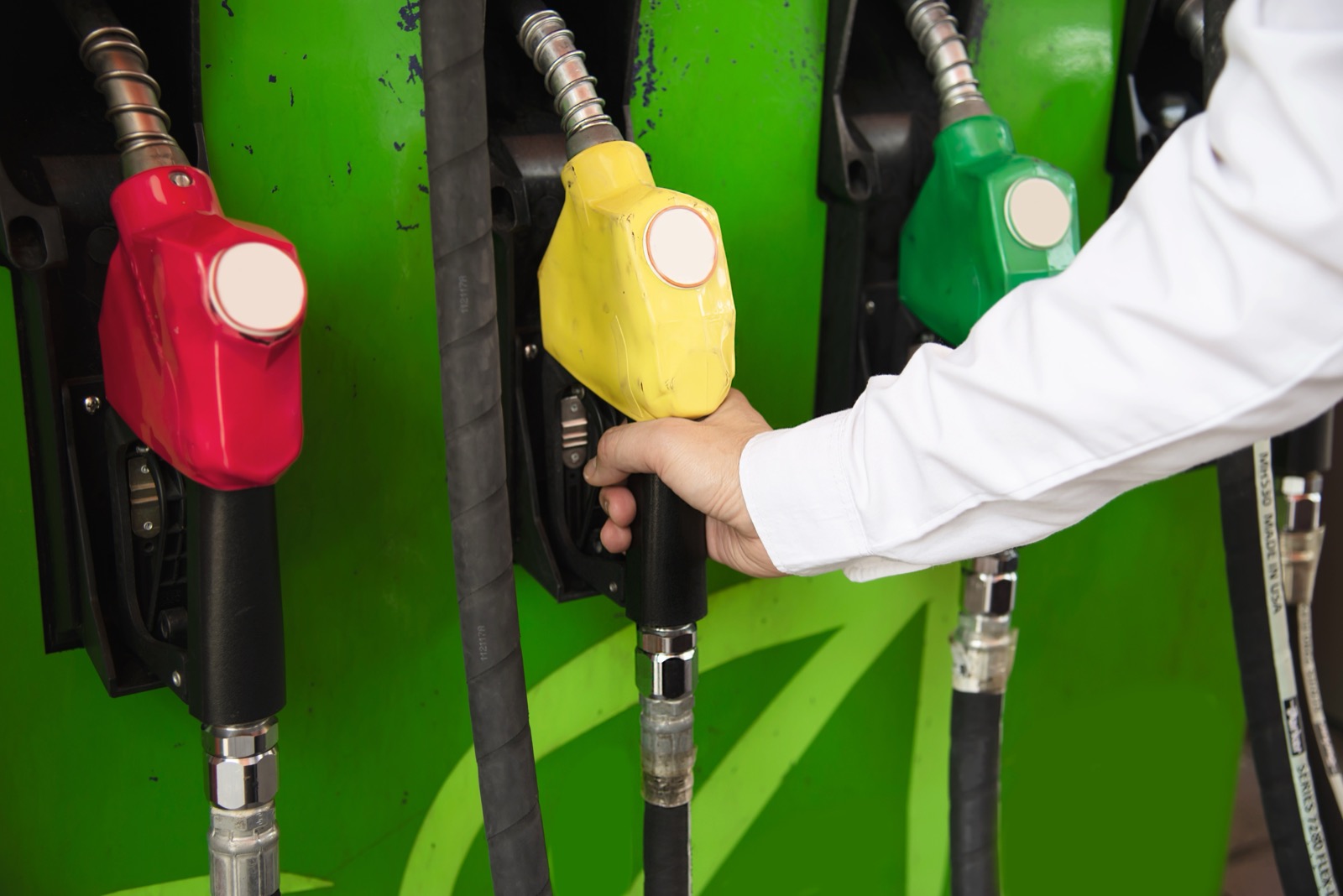
No — Singapore-registered vehicles are not permitted to purchase subsidised RON95 petrol in Malaysia. The rule is enforced at the pump, and the fuel you should use instead is RON97 (or another non-subsidised grade such as RON100). This restriction exists because RON95 in Malaysia is sold at a government-subsidised price intended for eligible Malaysian vehicles, and foreign-registered cars are excluded from that subsidy.
Quick answer: If you are driving a Singapore-registered car into Johor, head for the RON97 pump. RON95 is reserved for eligible Malaysian vehicles, and petrol stations are instructed not to sell it to foreign-registered vehicles.
Every weekend, thousands of Singapore motorists cross the Causeway or the Tuas Second Link to shop, visit family, or simply enjoy a meal in Johor Bahru. Many do so in their own cars — and a surprising number arrive at a Malaysian petrol station unsure of which fuel they are actually allowed to buy. The short answer is simple, but the reasons behind it, and the practical steps to avoid a costly mistake, are worth understanding before you cross the border.
This guide answers the question completely: what you can and cannot pump, why the restriction exists, what to do instead, and the common myths that trip up even regular cross-border commuters. Wherever rules may change, we point you to the official sources to verify before you travel.
Quick Answer: Which Fuel Can Singapore Cars Use?
The table below summarises the situation at a glance. "Allowed" means the fuel is legally available to foreign-registered vehicles at Malaysian pumps; "Restricted" means it is reserved for eligible Malaysian vehicles under the subsidy scheme.
| Fuel | Singapore Vehicles | Notes |
|---|---|---|
| RON95 | Restricted | Subsidised grade reserved for eligible Malaysian vehicles. Foreign-registered cars should not purchase it. |
| RON97 | Allowed | Non-subsidised premium petrol. The standard choice for Singapore cars in Malaysia. |
| RON100 | Allowed | Non-subsidised high-performance grade, available at selected stations. Optional upgrade. |
| Diesel | Restricted* | Subsidised diesel is also reserved for eligible Malaysian vehicles. Separate regulations apply — see the related guide below. |
*Diesel rules are governed separately from petrol and are covered in our dedicated guide, Can Singapore Diesel Vehicles Refuel in Malaysia?
Why Is RON95 Restricted?
The restriction is not personal, and it is not aimed at Singaporeans specifically. It is a by-product of Malaysia's long-standing fuel subsidy programme.
In Malaysia, the government keeps the retail price of RON95 (and diesel) below the true market rate by covering part of the cost. This is a domestic social and economic policy designed to keep transport and living costs manageable for Malaysian households and businesses. Because the subsidy is funded by Malaysian public finances, it is directed at vehicles that are part of the Malaysian system — broadly, vehicles registered in Malaysia and meeting the eligibility criteria set by the authorities.
Foreign-registered vehicles, including those from Singapore, are excluded from this subsidy. The logic is straightforward: the subsidy is meant for Malaysia's own residents and economy, not for visitors who are passing through or making cross-border trips. Allowing foreign cars to buy subsidised fuel would mean Malaysian taxpayers were effectively subsidising fuel for overseas motorists — and it would place extra pressure on supply at border areas such as Johor.
Did you know? The price gap between subsidised RON95 and non-subsidised RON97 in Malaysia can be substantial — often enough to make RON97 noticeably more expensive per litre. That gap is exactly the subsidy you are not entitled to as a foreign-registered vehicle.
The restriction is implemented at the point of sale. Petrol stations near the border are well aware of the rule and are expected to direct foreign-registered vehicles to the correct pump. Enforcement and the exact mechanics of the scheme can change over time, so treat the specifics here as a practical guide and confirm the latest position with official Malaysian sources before you rely on it for a trip.
What Fuel Should Singapore Cars Buy?
For the vast majority of Singapore drivers crossing into Malaysia, the answer is simple: pump RON97. It is legally available to foreign-registered vehicles, it is sold at every major Malaysian station, and it will run perfectly well in virtually any car you drive across the border.
RON97
RON97 is a non-subsidised petrol grade sold openly to all vehicles, including foreign-registered ones. It has a higher octane rating than RON95, which simply means it is more resistant to "knocking" (uncontrolled combustion) under load. For most everyday cars — including those designed to run on RON95 — RON97 is perfectly safe and will not cause any harm.
In 2026, RON97 typically retails for around RM 3.30 per litre in Malaysia. Unlike subsidised RON95, RON97 follows a managed float that is reviewed and adjusted periodically, so the exact figure moves with global fuel costs. Treat this as a guide rather than a fixed quote, and check the latest published price before a trip — the figure can shift between visits.
RON100
RON100 is an even higher-octane, non-subsidised grade available at selected Malaysian stations (typically Shell). It is aimed at performance and enthusiast vehicles. Unless your car's manufacturer specifically calls for a very high-octane fuel, RON100 is an optional upgrade rather than a necessity. You will pay a premium for it, and most drivers will not notice a meaningful difference in a standard family car.
Did you know? Malaysia's retail petrol prices are controlled and set nationally, so the price of a given grade is effectively the same at every station across the country — whether you fill up at Shell, Petronas, Caltex, BP or a smaller brand. You do not need to "shop around" for a cheaper RON97; the difference between retailers comes from loyalty perks and promotions, not the pump price itself. (This is quite different from Singapore, where each retailer sets its own prices.)
Will RON97 damage a car designed for RON95?
No. This is one of the most persistent worries among Singapore drivers, and it is unfounded. Using a higher-octane fuel than your car requires does not damage the engine. Octane rating is a measure of knock resistance, not "power" or "quality" in a way that harms lower-spec engines. A car that runs happily on RON95 will also run on RON97 — it simply will not benefit from the extra octane unless the engine was tuned to use it. The only real difference you will notice is the price at the pump.
Before you cross the border: Decide on RON97 before you arrive. Malaysian pump labels are clear, but after a long queue at a busy Johor station it is easy to grab the wrong nozzle. Knowing your grade in advance removes the guesswork.
What Happens If You Pump RON95?
We are not lawyers, and the precise penalties and enforcement methods can change. What follows is a practical, factual outline — not legal advice. Always verify the current rules with official Malaysian authorities before you travel.
In principle, the responsibility is shared. Petrol stations are expected to control access to subsidised fuel and to direct foreign-registered vehicles to the correct pump. Drivers are responsible for using the right fuel and for complying with local rules while in Malaysia.
If a foreign-registered vehicle is found to have purchased subsidised RON95, the situation is generally treated as a breach of the subsidy controls rather than a minor traffic infringement. Consequences can range from being asked to pay the correct (non-subsidised) price to fines or other enforcement action, depending on how the authorities handle it at the time. We will not invent specific penalty amounts here, because these figures change and vary by circumstance. The safe, simple approach is simply not to pump RON95 in the first place.
Common mistake: Assuming "nobody checks" because you have seen others do it. Enforcement at the border and at stations does happen, and the rules are the rules regardless of how often they are tested. Pump RON97 and remove the risk entirely.
The most reliable way to stay on the right side of the regulations is to use the non-subsidised grade, keep your receipt, and ask the attendant if you are ever unsure which pump is correct for a foreign-registered car.
Common Misconceptions
Cross-border fuel rules attract more folklore than fact. Let's separate the myths from reality.
| Myth | Reality |
|---|---|
| "My friend pumps RON95 all the time." | Anecdotes are not a licence. Stations enforce the rule inconsistently at best, but the restriction still applies. One person getting away with it does not make it permitted. |
| "Only Singaporeans are banned." | The restriction applies to the vehicle's registration, not the driver's nationality. A Malaysian citizen driving a Singapore-registered car is still in a foreign-registered vehicle. |
| "RON97 is bad for my engine." | False. Higher octane does not harm an engine built for lower octane. RON97 is safe for any car that runs on RON95. |
| "Paying cash makes it okay." | The restriction is about which vehicle may buy the fuel, not the payment method. Cash does not change the rule. |
| "My Malaysian citizenship lets me buy RON95 in my Singapore car." | No. The subsidy is tied to eligible Malaysian-registered vehicles. Driving a Singapore-registered vehicle excludes you from buying subsidised RON95, regardless of your citizenship. |
Frequently Asked Questions
Can Singapore cars pump RON95 in Malaysia?
No. Singapore-registered vehicles are not permitted to purchase subsidised RON95. Use RON97 or another non-subsidised grade instead.
Can Singapore PRs buy RON95?
The rule depends on the vehicle, not the person. If you are driving a Singapore-registered car, you cannot buy subsidised RON95, even as a PR. If you are driving an eligible Malaysian-registered vehicle, the usual Malaysian rules apply.
Can motorcycles buy RON95?
The same principle applies: a Singapore-registered motorcycle is a foreign-registered vehicle and should use the non-subsidised grade (RON97). Malaysian-registered motorcycles follow Malaysian eligibility rules.
Can Singapore cars use RON97?
Yes — RON97 is the recommended fuel for Singapore cars in Malaysia. It is non-subsidised, widely available, and safe for any car that normally runs on RON95. In 2026 it typically costs around RM 3.30 per litre, and because Malaysian pump prices are set nationally, that price is essentially the same at every retailer.
Can I accidentally pump RON95?
It is possible if you are not paying attention, especially at a busy station. Always check the pump label before refuelling, and ask the attendant if unsure. If you realise mid-pour, stop and speak to the station staff.
Is RON92 available in Malaysia?
No. Malaysia standardised its petrol grades and RON92 is no longer sold at retail stations. The common grades today are RON95 (subsidised) and RON97 (non-subsidised), with RON100 at selected outlets.
Why doesn't Malaysia sell RON92 anymore?
Malaysia phased out RON92 as part of its fuel-grade modernisation, setting RON95 as the baseline subsidised grade and RON97 as the premium non-subsidised option. This is a policy and standards decision, not something that affects Singapore drivers directly.
Is RON100 worth it?
For most family and commuter cars, no. RON100 is a high-octane grade for vehicles that specifically benefit from it. If your car does not require it, RON97 is the sensible, cost-effective choice.
What about diesel vehicles?
Subsidised diesel is also reserved for eligible Malaysian vehicles, with separate rules from petrol. If you drive a Singapore-registered diesel vehicle, read our dedicated guide before refuelling in Malaysia.
Do I need to show my passport or IC at the pump?
Generally, the check is about the vehicle registration rather than your documents. Stations near the border are accustomed to identifying foreign-registered cars by their number plates. Practices can vary, so follow the station's instructions.
Will using RON97 void my car warranty?
No. Using a higher-octane fuel than required does not void warranties. Manufacturers specify a minimum octane; meeting or exceeding it is perfectly acceptable.
Can I fill a jerry can with RON95?
The subsidy restriction applies to foreign-registered vehicles, and pumping subsidised fuel into containers to circumvent the rule is not appropriate. Use RON97 for any fuel you need to carry.
Are the rules the same everywhere in Malaysia?
The subsidy principle is national, but border areas such as Johor see the strictest practical enforcement because of cross-border demand. Always assume the restriction applies wherever you are in Malaysia.
Practical Tips Before You Refuel in Malaysia
- Know your grade before you arrive. Decide on RON97 at home so there is no confusion at the pump.
- Double-check the pump label. Malaysian pumps clearly mark RON95, RON97 and RON100. Take a second to confirm before you lift the nozzle.
- Keep your fuel receipt. A receipt is useful proof of which grade you purchased, and handy for expense tracking on cross-border trips.
- Ask the attendant if unsure. Station staff near the border are used to foreign cars and can point you to the correct pump.
- Plan your top-up. If you want to save, compare whether it is cheaper to fill in Singapore or Malaysia on RON97 — our fuel cost calculator can help.
- Verify before you rely. Fuel subsidy rules can change. Check official Malaysian sources for the latest position before a long trip.
The bottom line: Drive a Singapore car into Malaysia, pump RON97. It is legal, safe, and available everywhere. Leave the subsidised RON95 for eligible Malaysian vehicles.
Plan your next cross-border trip with confidence
Compare live petrol prices, calculate your true fuel cost, and find the right station before you drive.
Compare fuel prices →